
We service all areas of Northland, including…
Whangarei, Waipu, Langs Beach, Mangawhai, Wellsford, Dargaville, Kerikeri, Paihia, Russell, Opua, Kaitaia, Mangonui, Coopers Beach, Karikari, Whangarei Heads, Tutukaka, Waitangi, Bay of Islands.
Choosing an interior painter is not as straightforward as picking the cheapest quote or going with whoever comes up first in a search. The quality of the work you end up with depends heavily on who is doing it, how they work, and what they are actually including in the price. Knowing the right questions to ask before you commit can save you a lot of frustration and money down the track.

This is one of the first things worth asking, and the answer tells you a lot. Membership of the Master Painters Association of New Zealand is not something every painter holds. It requires meeting set standards of workmanship and professionalism, and members are accountable to the association if something goes wrong. It also signals that the painter takes their trade seriously enough to invest in it.
Painters who are not affiliated with any trade body are not automatically bad, but you have far less recourse if the job does not go to plan. At Northland Painters, we are members of the Master Painters Association of New Zealand, and we hold ourselves to the standards that membership requires on every job we take on.
Product accreditation might not seem like an obvious thing to ask about, but it matters more than most homeowners realise. Dulux accreditation means a painter has been assessed on their knowledge of Dulux products, their application techniques, and the quality of their finished work. It is not handed out automatically to anyone who buys a tin of paint.
For homeowners, it means the painter knows which products are right for which surfaces, how to apply them correctly, and how to get the most out of them. Using the right product in the right way is a big part of what separates a finish that lasts from one that starts peeling or fading within a couple of years.
We also have direct access to our Dulux rep when a job calls for more detailed product advice. If we encounter something unusual or want a second opinion on the best product for a specific surface or environment, we can call on that expertise directly. It is one of the reasons we have been trusted with work on significant historic buildings including the Treaty House at Waitangi and the Cape Brett Lighthouse Keepers Hut.
Being Dulux accredited also means we can connect you with a professional colour consultant at no extra charge. Choosing the right colours for your home is harder than most people expect, and having an expert guide you through the options before you commit makes a real difference to the end result. It is a service not many painters offer, and it costs you nothing.
Any painter worth hiring should be able to point you to previous work or connect you with past clients who are happy to speak about their experience. This question is a simple one but it is surprisingly effective at separating confident, experienced painters from those who are not.
If a painter hesitates, makes excuses, or cannot produce anything concrete, that is worth paying attention to. We are always happy to share examples of our work and put you in touch with clients we have worked with across Northland. The quality of our work speaks for itself, and we have no reason to be cagey about it.
A low quote is not always a good quote. Before you sign anything, make sure you understand exactly what is included in the price. Surface preparation is the area where corners get cut most often. A thorough job involves filling holes and cracks, sanding back rough areas, and priming surfaces before any topcoat goes on. If preparation is not mentioned in the quote, it is worth asking specifically whether it is included.
You should also be clear on the number of coats being applied, the products being used, and whether moving furniture and protecting your floors and fittings is part of the service. We provide clear, itemised quotes so our clients know exactly what they are getting before we start.
It is also worth asking whether the painter can handle minor gib stopping as part of the job. Small holes, cracks, and surface imperfections need to be dealt with before any paint goes on, and having a painter who can take care of that work themselves saves you the time and cost of bringing in a separate tradesperson. Our director and two of our senior painters handle gib stopping in-house, which means fewer delays and a smoother finish.
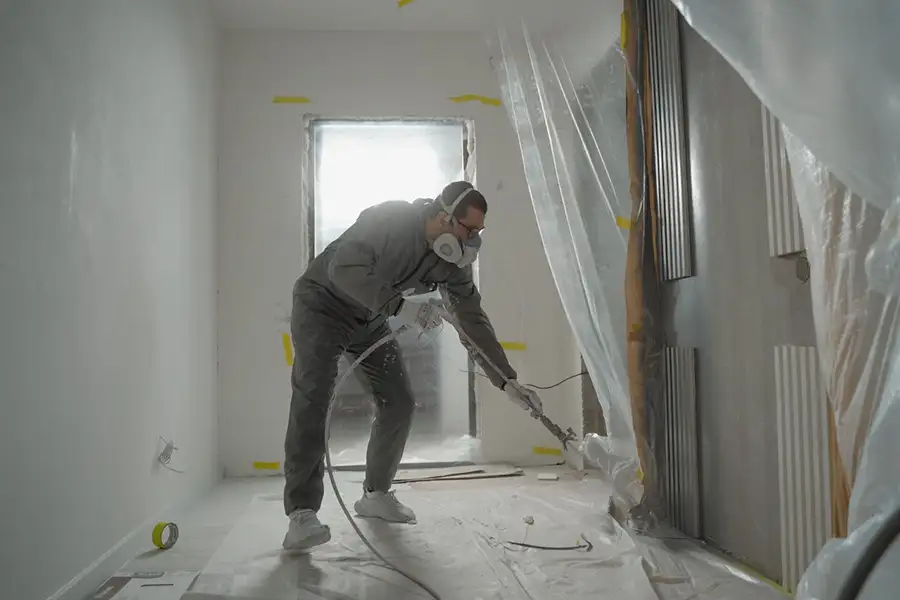
A professional painter treats your home with respect. That means drop sheets on floors, furniture moved and covered properly, fittings and fixtures masked carefully, and the work area left clean at the end of each day. It sounds like common sense, but not every painter approaches the job this way.
We have heard plenty of stories from clients who had painters working in their home and left the place in a state at the end of each day, with paint on floors and fittings and no effort made to keep the disruption to a minimum. It is worth asking upfront how a painter manages the job site, because the answer will give you a clear sense of how much they care about the experience, not just the end result.
It is something our clients comment on regularly. After a day with six painters on site, the expectation is that the place will look like a building site by the end of it. Our clients are often surprised to find it barely looks like anyone has been there at all. That is not an accident. It is how we work on every job.
Not all paint is created equal, and the products a painter uses will have a direct impact on how the finished job looks and how long it lasts. A painter who can speak confidently about why they use particular products, what makes them suitable for the surfaces in your home, and how they perform in Northland conditions is a painter who knows their trade.
In Northland, where coastal air and higher humidity can be hard on interior surfaces, product choice matters more than it might in other parts of the country. We use Dulux products across our work because we know how they perform in this environment, and we can give our clients the confidence that the finish will hold up over time.
If the answer is no, keep looking.
Accreditation means the painter has been assessed on product knowledge and application quality, not just that they buy Dulux paint.
A confident painter will have no hesitation. If they stall or make excuses, take note.
Make sure surface preparation, number of coats, and products used are all clearly spelled out before you agree to anything.
Drop sheets, masked fittings, and a tidy work site every day are the minimum you should expect.
A painter who can answer this clearly knows their trade. One who cannot probably does not.
Knowing what to ask puts you in control of the decision. As Master Painters Association members and Dulux-accredited interior painters in Northland, we are happy to answer all of these questions and any others you have. Get in touch for a free quote and find out what we can do for your home.
Whangarei, Waipu, Langs Beach, Mangawhai, Wellsford, Dargaville, Kerikeri, Paihia, Russell, Opua, Kaitaia, Mangonui, Coopers Beach, Karikari, Whangarei Heads, Tutukaka, Waitangi, Bay of Islands.

Please contact us for pricing and other details about our residential and commercial painting services in Northland.