
We service all areas of Northland, including…
Whangarei, Waipu, Langs Cove, Mangawhai, Wellsford, Dargaville, Kerikeri, Paihia, Russell, Opua, Kaitaia, Mangonui, Coopers Beach, Karikari, Whangarei Heads, Tutukaka, Waitangi, Bay of Islands.
It is one of the most common questions we hear from homeowners in Northland. Painting looks simple enough from the outside. You buy some paint, grab a roller, and get started. The reality tends to be quite different, and the gap between what people expect and what they actually experience is something that comes up in almost every conversation we have with people who have tried it themselves first.
This is not an article designed to talk anyone out of DIY. There are situations where it makes sense. What follows is an honest look at what each path actually involves, so you can make a decision you will not regret.
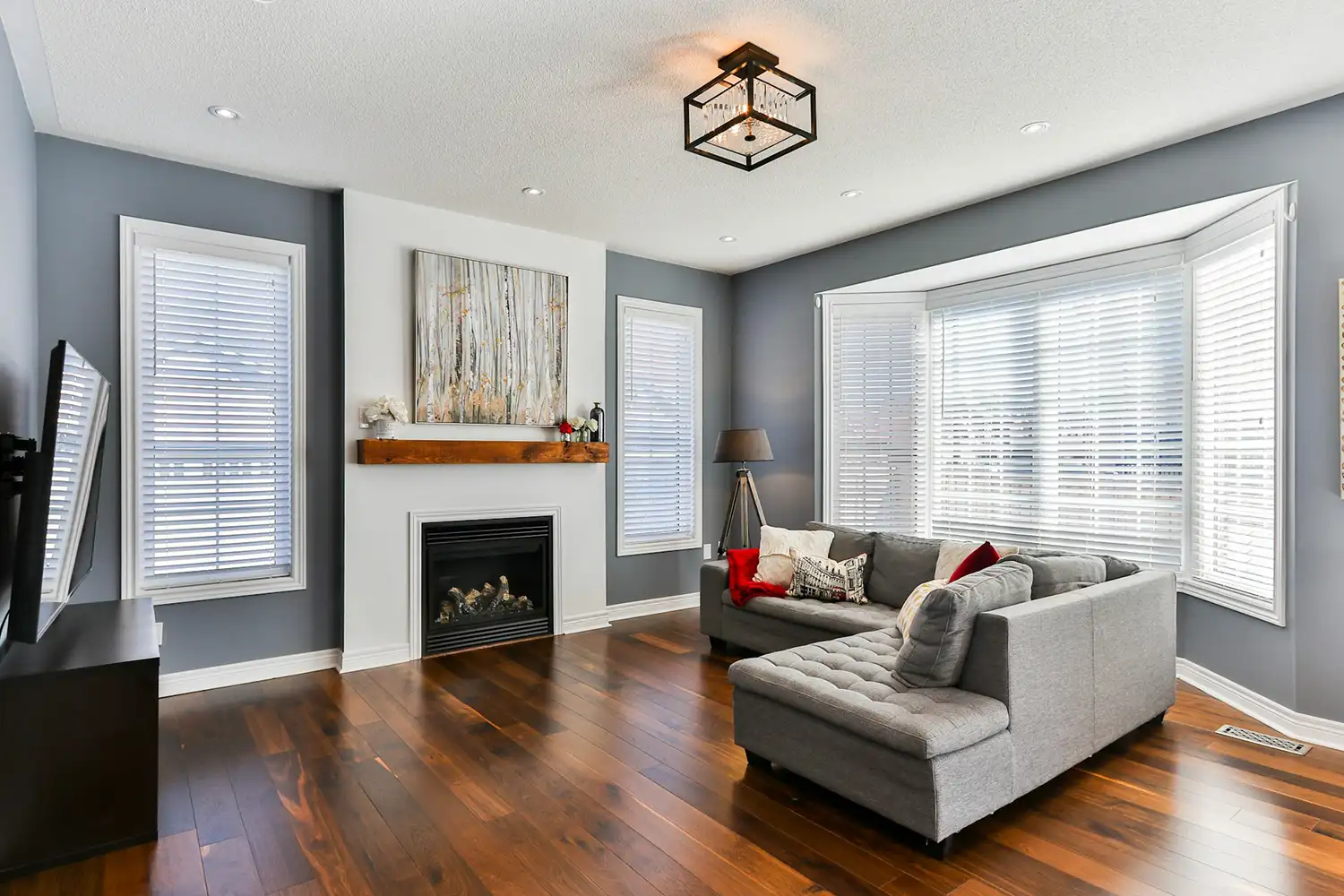

If you are confident with a brush and roller, have the time to do the job properly, and are working on a small, uncomplicated room with walls in reasonable condition, DIY is a reasonable option. A single bedroom with freshly lined walls and no history of water damage, for instance, is a different proposition to a full house repaint with patchy surfaces, multiple coats of old paint, and ceilings that need attention.
Painting is also one of those tasks where the first attempt teaches you a great deal. If you are happy to accept that the result might not be perfect, and you are not working towards a deadline or trying to impress buyers, the learning curve is part of the process.
Where DIY tends to go well:
The honest answer from the New Zealand homeowners who have been through it is that the difficulty is almost always underestimated. Not the painting itself, but everything that comes before it.
Prep work is where most DIY repaints fall apart. That means washing walls with sugar soap, filling holes and cracks, sanding back rough areas, sealing bare plaster patches, and priming the right surfaces before any topcoat goes on. It is the part of the job that takes the most time and delivers the most noticeable results. It is also the part that most DIYers either rush or skip entirely. The consequence shows up in the finish, often within months.
Ceilings are particularly unforgiving. Apply paint with a roller and the lap marks from each stroke show up clearly in certain lighting. It is a result we see regularly when we are called in to repaint a room after a DIY attempt. There is no easy fix once it is done. Professionals know how to apply ceiling paint in a way that avoids this, and on larger ceilings, spraying is often the better answer.
The physical side of it catches people out too. Painting is harder on your body than it looks. The combination of overhead work, repetitive motion, and hours on your feet adds up quickly. What seems like a weekend job can stretch into weeks, then months, especially if you are only working on it around other commitments.
There is also the question of tools. A cheap roller sleeve leaves a different finish to a quality one. Cutting in with a brush takes practice to do well. Most DIYers are working with gear from the hardware store, and while that is fine for simple jobs, it limits the quality of the result.
The difference between a professional interior paint job and a DIY one is not just about skill. It is about process.
When our team arrives on a job, the first thing we do is assess the surfaces. That means identifying areas that need filling, sanding, or priming before anything else happens. Preparation is not a step we rush through to get to the painting. It is the part of the job that determines how everything else looks. We use sugar soap to clean down surfaces properly, deal with any plaster repairs, prime bare areas, and only then start thinking about topcoats.
We also bring the right gear for each surface. Ceilings, walls, trims, and feature areas all respond differently and benefit from different application methods. Getting the right sheen in the right place (flat on ceilings, low-sheen or satin on walls, semi-gloss in bathrooms and kitchens) is something we work through with every client before the job starts.
As Dulux-accredited painters and members of the Master Painters Association of New Zealand, we hold ourselves to a standard that is about more than just applying paint neatly. It means using the right products for each environment, applying them correctly, and delivering a finish that holds up over time.
In Northland, where coastal air and humidity can be tougher on interior surfaces than people expect, product choice matters. We have direct access to our Dulux rep when a job calls for specific product advice, which is particularly useful for homes closer to the coast or with surfaces that have had past moisture issues.
One of the clearest patterns in conversations with homeowners who have attempted DIY repaints is the timeline. What they expected to take a weekend took three weeks. What they planned to finish over a month is still not done four months later. Work stops when other commitments get in the way, and an unfinished paint job means living with disruption: furniture shifted, rooms out of use, and the psychological weight of an incomplete project.
A professional team works full days and brings the focus and pace that comes from doing this work day in, day out. A job that would take a homeowner several weekends is typically completed in a matter of days. The disruption to your household is shorter, the rooms are back in use sooner, and the result does not have that half-finished quality that tends to creep into long-running DIY projects.
The cost of professional interior painting varies depending on the size of the home, the condition of the surfaces, and the scope of work. DIY appears cheaper on the surface, but the true cost includes the time you put in, the materials you buy, and the value of a finish that lasts.
A professional repaint done well should not need touching up again for years. A DIY job that skimped on prep, used the wrong products, or was applied over surfaces that were not properly cleaned or primed will start showing wear much sooner. When that happens, you are either living with it or paying to have it redone.
The difference between a reasonable DIY result and a professional one also tends to be most visible in exactly the places that matter most: ceilings in raking light, the cut line between walls and trims, and the evenness of coverage across large flat surfaces.
One of the less obvious advantages of working with a professional is the help available with colour selection. It sounds like a simple decision until you are standing in front of hundreds of swatches trying to work out what will actually look right on your walls in your light.
At Northland Painters, we can connect you with a professional colour consultant at no extra charge. It is a service that takes the guesswork out of a decision that shapes how your home feels every day. Colours that look great on a small card can feel completely different once they are on a whole wall, and the undertones that work in one room can clash badly in the next. Having expert guidance before you commit saves a lot of second-guessing and the cost of repainting a room because the colour did not land the way you expected.
If you are weighing up whether to tackle a job yourself or bring someone in, we are happy to come out and take a look. A lot of homeowners find it useful to get a quote first, even if they are still undecided, because it gives them something concrete to compare against the time and materials a DIY job would actually cost. And if you have already started and the job has got away from you, we can help with that too. We are often called in to take over mid-project, and getting things back on track is something we handle regularly. There is no pressure and no obligation. Get in touch for a free quote and we can go from there.
Whangarei, Waipu, Langs Cove, Mangawhai, Wellsford, Dargaville, Kerikeri, Paihia, Russell, Opua, Kaitaia, Mangonui, Coopers Beach, Karikari, Whangarei Heads, Tutukaka, Waitangi, Bay of Islands.
Please contact us for pricing and other details about our residential and commercial painting services in Northland.